Collaborative Post
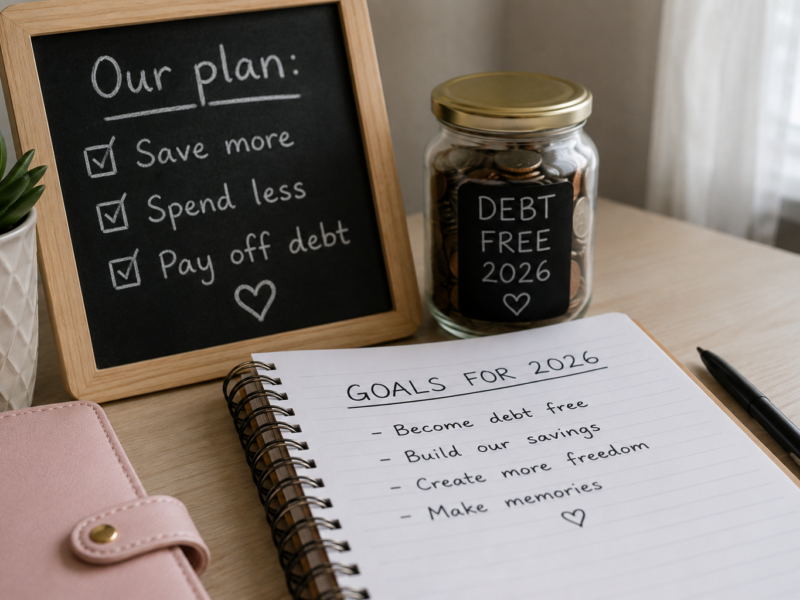
It’s thought that around 70% of us are “chronically broke.’‘ This means that we’re living paycheck to paycheck, we never have much in the bank the day before payday, we have less than £100 in savings, debts that we are struggling to pay and very little chance for any kind of luxury expense. When life is like this, most of us can get by, but it can be a struggle, and life isn’t perhaps as fun as we’d like it to be. We certainly can’t just go out and spend, and money is something that we are always having to think about before making purchases.
When day to day life is enough of a struggle for our bank account, the larger expenses can seem insurmountable. Some of these large expenses, like buying a car, or the deposit on a house, we can plan for. We can take our time to save without being rushed. Others, such as boiler repair or a failed MOT come out of nowhere. Suddenly we find ourselves with a big bill, and no way to pay it.
Whether you want to save for a planned expense, or a rainy day fund, just in case, there’s plenty that you can do to make saving for these significant expenses more manageable. Here are some tips to help you.
Find Ways to Make it a Smaller Expense
Sure, large expenses will always be large. You’re never going to get a house super cheap, and a car will always cost more than a new pair of shoes (at least it should!) but, that doesn’t mean that you have to spend more than you can afford to. Don’t think that because it’s a big buy, it has to be astronomically expensive. Even with large expenses, there are usually ways to save money. A Used Ford Fiesta can be a perfect car, for example, with a significantly smaller price tag than a brand new vehicle with many of the same features.
When it comes to big expenses, think about what you actually need and create a budget to work out what you can afford to buy. Spend time trying to find ways to cut costs, or make payments more manageable. Never rush out and spend without first researching and comparing the options available to you. There’s certainly nothing wrong with making a massive expense a little smaller; it’s just good sense.
Make Sure It’s Worth It
If you are going to have to spend a large amount of money, you want to make sure it’s worth it. This might not save you money today, but it can decrease the need for future expenditure. If you need to spend money on repairs, take your time to find the right tradesmen and parts. Don’t skimp or cut corners. If you are buying something, but the best quality (remembering that this doesn’t necessarily mean the most expensive) that you can afford, even if it means waiting for sales and offers.
Save Little and Often
Often, the most effective ways to save money is doing it little and often. Many of us have found that when we transfer large amounts of money into savings accounts, we end up sending it back not too long after because we have left ourselves short. Or we have underestimated how much we need to cover bills and other day to day expenses.
Focus on making small regular savings, perhaps setting up a direct debit to send small amounts into a higher interest account every week, or even every time you get paid.
Use Apps and Other Tools
In the modern world, savings apps can be tremendously useful, allowing you to save without your even having to think about it. Some of the best apps assess your finances, and take an amount that you can afford when you can afford it, and put it into your savings without you having to do anything. Others, round up purchases and save the excess. Say you spend £3.80 on a sandwich and drink; your app will save that extra 20p for you. These tools can take the stress out of saving.
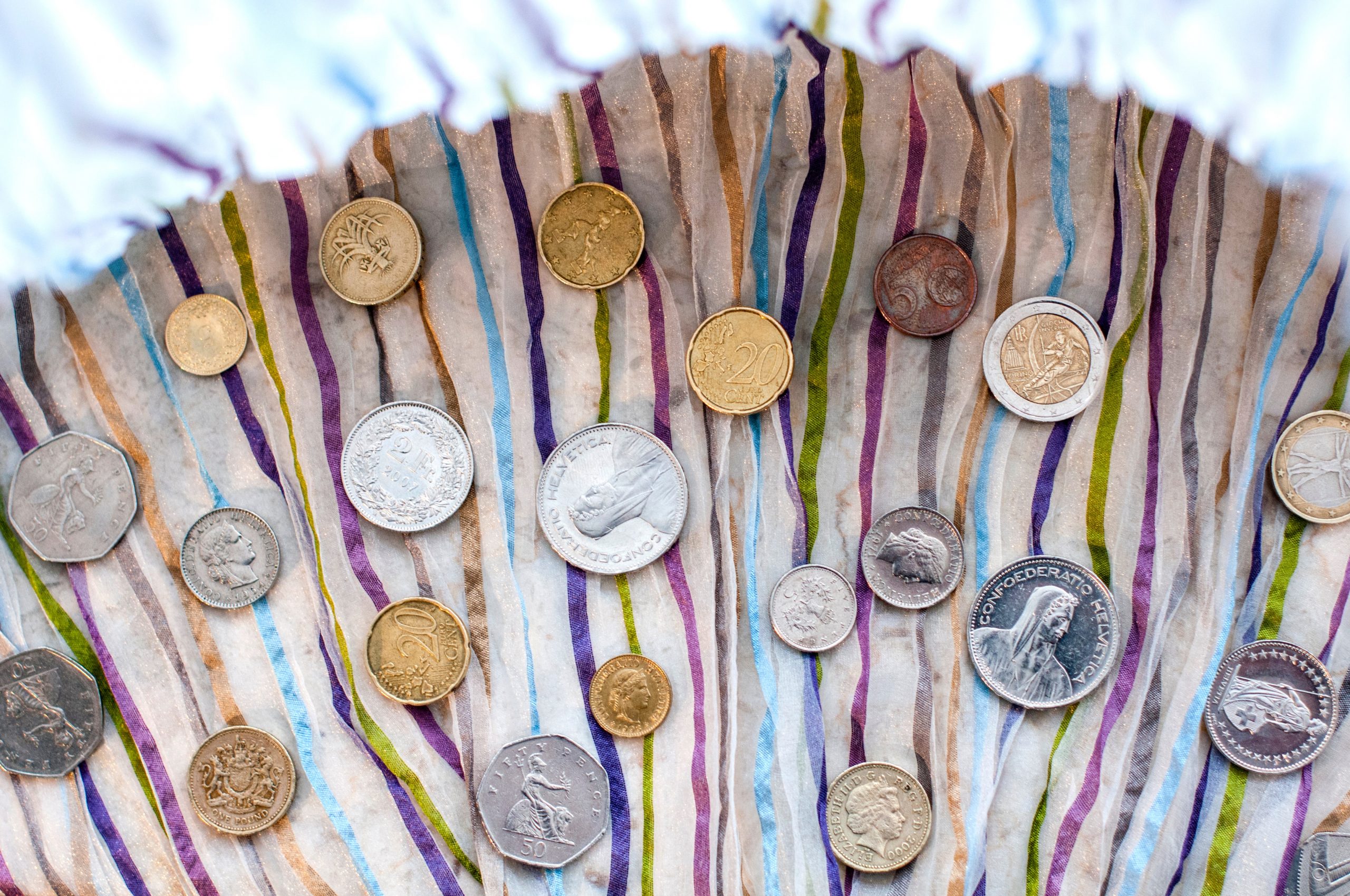
Of course, old fashioned tools, such as a piggy bank, can still be useful. They might just take a little more willpower.
Use a Household Budget
Having a household budget can make both saving and managing your money much easier. Set up a simple spreadsheet with all of your income and outgoings, as well as totals, and you’ll be able to see where all of your cash goes. This can make it easier to spot places to save and give you a way to see what difference small cuts could make.
Set Yourself a Manageable Target
Big goals are great. They give us something to work towards and aim for. But it can be easy to get lost and feel demotivated when the results don’t come as quickly as we might like. Breaking your goals down into small, manageable goals can be more effective. Give yourself a weekly savings target, and it can seem like things are happening more quickly.
Find Free Ways to Treat Yourself
Saving money can be depressing. If you are used to spending, and treating yourself often, suddenly not being able to can have a negative effect on your mood. You might feel bored and unhappy. But it doesn’t have to be like this. Find free, or at least much cheaper ways to treat yourself.
Instead of going out for dinner, invite your friends around and cook a meal, you could even ask them to bring a bottle of wine. Instead of a trip to the cinema, enjoy a home movie night. Treat yourself to a bubble bath and homemade face mask instead of shelling out on a trip to the spa.
Encourage Other People to Save
When you are saving being around people that are freely spending, or enjoying all of the things that you use to can be demoralising, so, try to encourage your friends and family to change their financial habits. They might even thank you for it later.