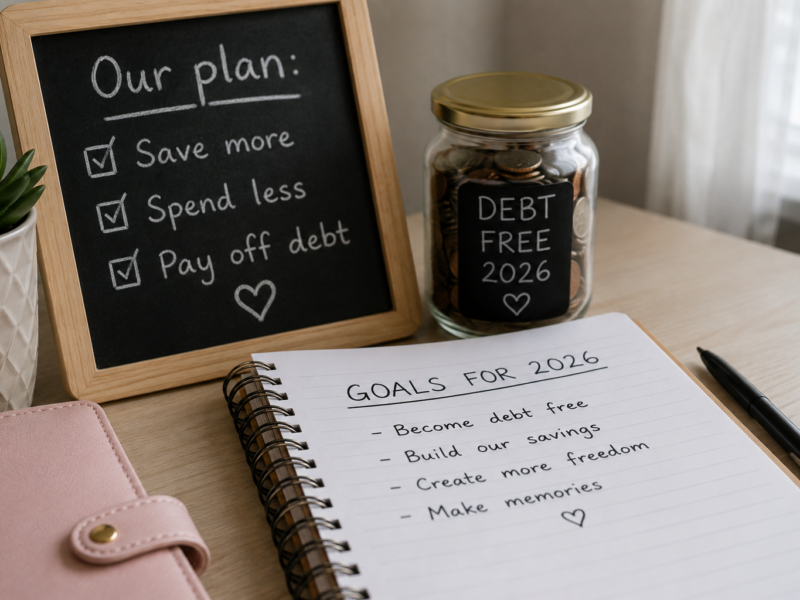
While brand new possessions have their charms, secondhand purchases often outshone them. From environmental concerns and budgetary considerations, to finding something truly one-of-a-kind, second-hand items offer phenomenal value when used is better than new. In this blog, we will look at when choosing used is smarter both financially and environmentally, and their benefits that will give clarity around specific situations where second-hand is superior.

Photo by Edward Howell on Unsplash
Budget-Friendly Brilliance
Shopping second-hand can result in substantial savings without compromising the quality, as many used items can often look almost brand-new at a fraction of their original cost. When it comes to big ticket items like cars, household appliances or furniture, these would otherwise stretch your budget further. Buying used means getting high-quality products while minimising depreciation factors in categories like vehicles which experience such dramatic drops.
Cultivating Environmental Sustainability
Choosing second-hand items can be an eco-conscious solution in today’s overconsumed world. Manufacturing new products uses up countless resources such as water, energy and raw materials, releasing greenhouse gases and pollution into our atmosphere. When you buy used goods instead, buyers actively combat wasteful materials by prolonging their lifespan, thereby decreasing landfill contributions while curbing demand for surplus production to create a more circular economy.
Quality and Character
New doesn’t always equate to better. Many older items have superior craftsmanship, durability and quality that’s hard to replicate in today’s world of mass production. From vintage furniture crafted of solid wood to heritage watches or analogue cameras. Buying secondhand opens doors to own items rich in history and character that cannot be found new from a factory-fresh option.
Test the Water
Used goods offer the flexibility needed for testing products before making costly investments. Aspiring photographers can test second-hand DSLRs to assess whether photography is worth pursuing before investing in costly gear. Similarly, second-hand textbooks or tools provide great opportunities to acquire new skills without incurring large initial investments.
Depreciation Savings
Cars and technology often lose up to 20% – 30% of their value shortly after leaving the showroom, but purchasing pre-owned items can save you a lot since most of the depreciation has already taken place. Well-maintained used cars for sale can give you years of reliable service at significantly less than new models.
Supporting Local Economies and Charities
Shopping second-hand items through charity shops, community stores or marketplaces often results in direct financial benefits to small businesses and humanitarian causes. Each purchase contributes directly to an initiative, non-profit or entrepreneur within your community. It’s a perfect win-win scenario where customers find great bargains while giving back.
Vintage Treasures and Rare Finds
Shopping used goods is a great way to discover one-of-a-kind styles and rare products no longer manufactured. Antique shops, marketplaces and charity outlets may be great resources for finding treasures that make a statement about your unique taste and sense of style. Wearing vintage coats or furnishing a home with distinctive midcentury decor creates a standout aesthetic.
Similarly, for those interested in more exotic or high-end collectibles, investing in premium koi can be very satisfying. In addition to being striking in appearance, they can be a smart financial decision, much like buying an antique lamp or valuable art. Specialist suppliers like Exclusively Koi help ensure each fish is healthy and well-bred, so your fish gains value over time. Planning your budget and factoring in ongoing care costs help you enjoy these exotic fish while protecting your investment.
Conclusion
While new products have their own appeal, shopping used is also an amazing and worthwhile alternative. It combines economic considerations with environmental responsibility while rewarding creativity and promoting sustainability. The preloved market holds a lot of potential to transform our shopping practices, encouraging consumers to reevaluate their habits and discover value where they never imagined it would exist. Next time an expenditure is on your horizon, think about looking at secondhand alternatives. You might just make the smarter decision.