Anybody who has watched the film version of the musical Mamma Mia! – or has just looked wistfully at a travel brochure – has probably given serious thought to Greece as a holiday destination. What’s not to love about those brilliant blue skies and waters, whitewashed buildings, sun-bleached ruins, and centuries of history? If you’re dreaming of a holiday in Greece you’re hardly alone, as more than a million British holidaymakers will be heading there this summer. But there’s trouble in that blue-and-white paradise. As the Greek financial and political crises heat up, we’re even feeling it here in the UK, with British chancellor George Osborne saying on June 16, 2015 that the Government is taking “all steps” to protect Britain from “serious economic risk” should Greece default on its massive debt.
More to the point, many prospective holidaymakers are also getting a little nervous, wondering if Greece is such a good idea after all. Don’t rule it out yet, but if you have your heart set on going to the Greek islands here is what you need to know.
Bring enough cash (in case history repeats itself).
This is not the first time Greece has been in crisis; they’ve had quite a shaky time of it for years. In recent memory there was the Cyprus banking crisis of 2013, which caused Cypriot banks to close down for two weeks. When the banks reopened, a 300-euro limit was imposed on daily cash transactions and there were serious limits on credit card transactions as well as on the amount of money that could be taken out of the country. More recently Greeks have been withdrawing billions of euros from the banks, giving rise to fears that such a thing could happen again and that severe limits could be placed on how much cash anyone in Greece – including tourists – can withdraw.
There’s no reason to panic at this point but you do need to plan ahead. The Association of British Travel Agents (ABTA), as well as Post Office Travel Money, the UK’s largest provider of travel money, are both currently advising tourists to take enough cash in euros to see them through their holidays.
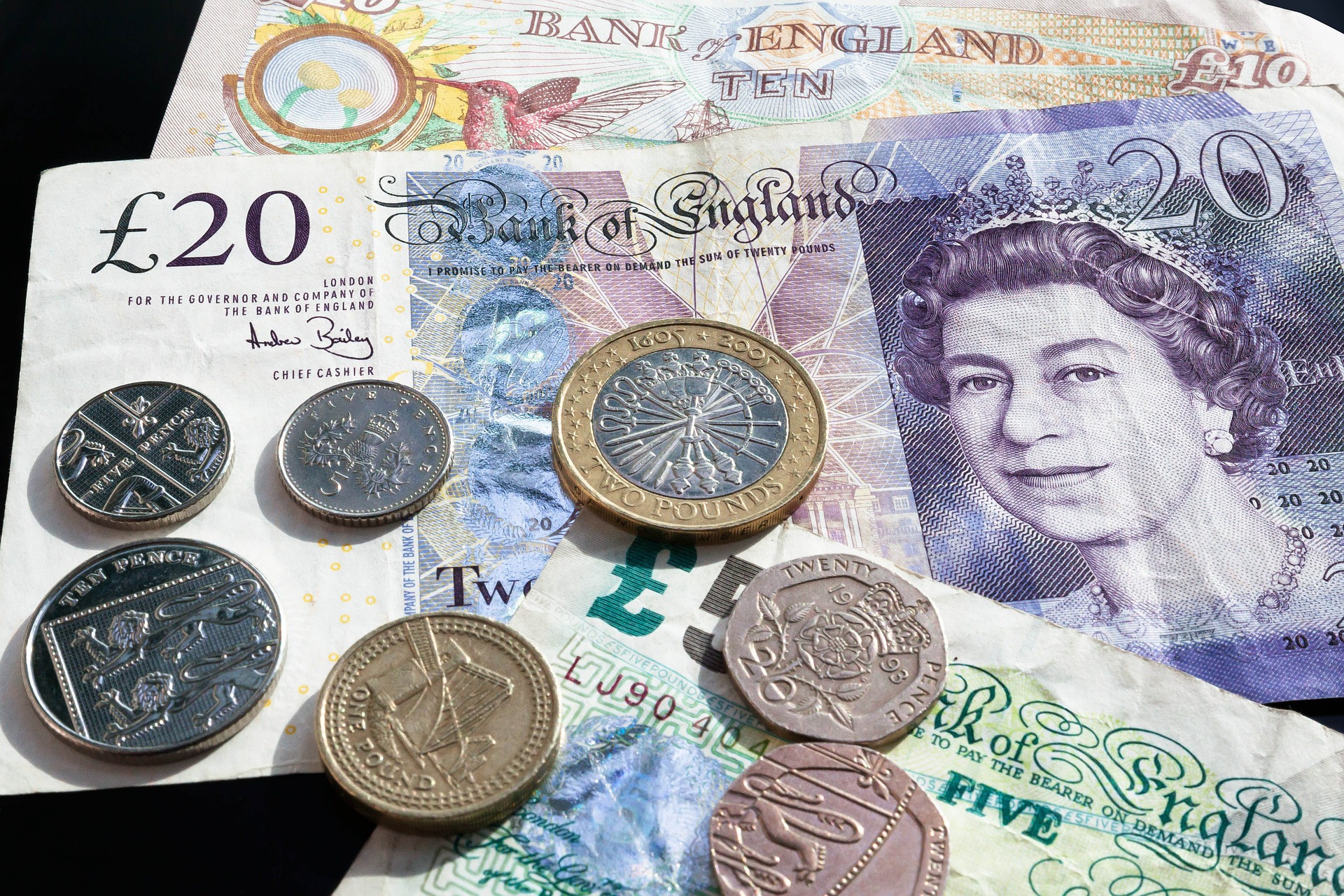
According to Andrew Brown of Post Office Travel Money, couples spend an average of around £500 in cash on a fortnight’s holiday, and for a family the average figure is about £700. This doesn’t include accommodation, so experts advise contacting your hotel or booking agent beforehand to see if it is possible to pay in advance in sterling. And it is advised that once you’re there you store your cash in a secure place, and split money between family members. As well, you should check your travel insurance to see how much cover you have for stolen or lost cash.
Don’t overlook alternative methods of payment.
Though cash is desirable you should also be able to use your credit or debit card as usual. There may be limits imposed on how much you can spend (apart from your own credit or cash limit of course), but these limits are likely to be set at several thousand pounds, according to James Hickman of currency specialists Caxton FS. Thus any limits imposed should not affect ordinary transactions. On the other hand Mr. Brown of Post Office Travel Money notes that during the crisis in 2012, some restaurateurs and retailers were reluctant to take cards, preferring cash.
Prepaid currency cards are another option. You can load them with a foreign currency at a pre-agreed exchange rate and use them in shops or at ATMs when abroad without incurring commissions or transaction fees. But you might want to leave your travellers’ cheques at home, as they are not widely accepted in the region.
If Greece leaves the Eurozone, don’t panic… yet.
According to Mr. Brown, if Greece does leave the Eurozone, as widely speculated, this is no cause for holidaymakers to panic. It should take about eighteen months for the Greek drachma to be reinstated, and during that time the euro will still be the legal currency.
And the good news is that Greece continues to be a bargain, made even more so by the strength of sterling. Even the prices in the lovely resort areas such as Crete are down by 13 percent in 2015.
If you decide that Greece isn’t for you at this time, there are plenty of other glorious destinations. But some things hold true no matter where you go on holiday. If you’re headed outside of your currency zone you need to know exactly how much that dream trip will cost you. Remember that foreign currency exchange rates are constantly in flux, and it is crucial to keep up to date.
Collaborative Content