Collaborative Post
Debt is something that affects many people in the UK. According to the Office for National Statistics, half of the least wealthy households in Britain accounted for 36% of all household debt between 2016 and 2018.
As you can imagine, the COVID-19 pandemic has hit many families hard from a financial perspective, with some people losing their jobs, resulting in their debts snowballing to highly unmanageable levels.
Despite how the UK is now getting used to a post-COVID-19 world, many people’s debts have not gone away. In fact, it’s safe to say that their financial situation has got worse over the past year and a half.
You’re likely reading this today because you’ve got debt but have little to no disposable income you can use to pay off what you owe. Is there a way to pay off debt if you have no money?
Believe it or not, it’s possible to reduce or even eradicate your debt completely if money’s too tight to mention. Here are some examples that illustrate what you could do:
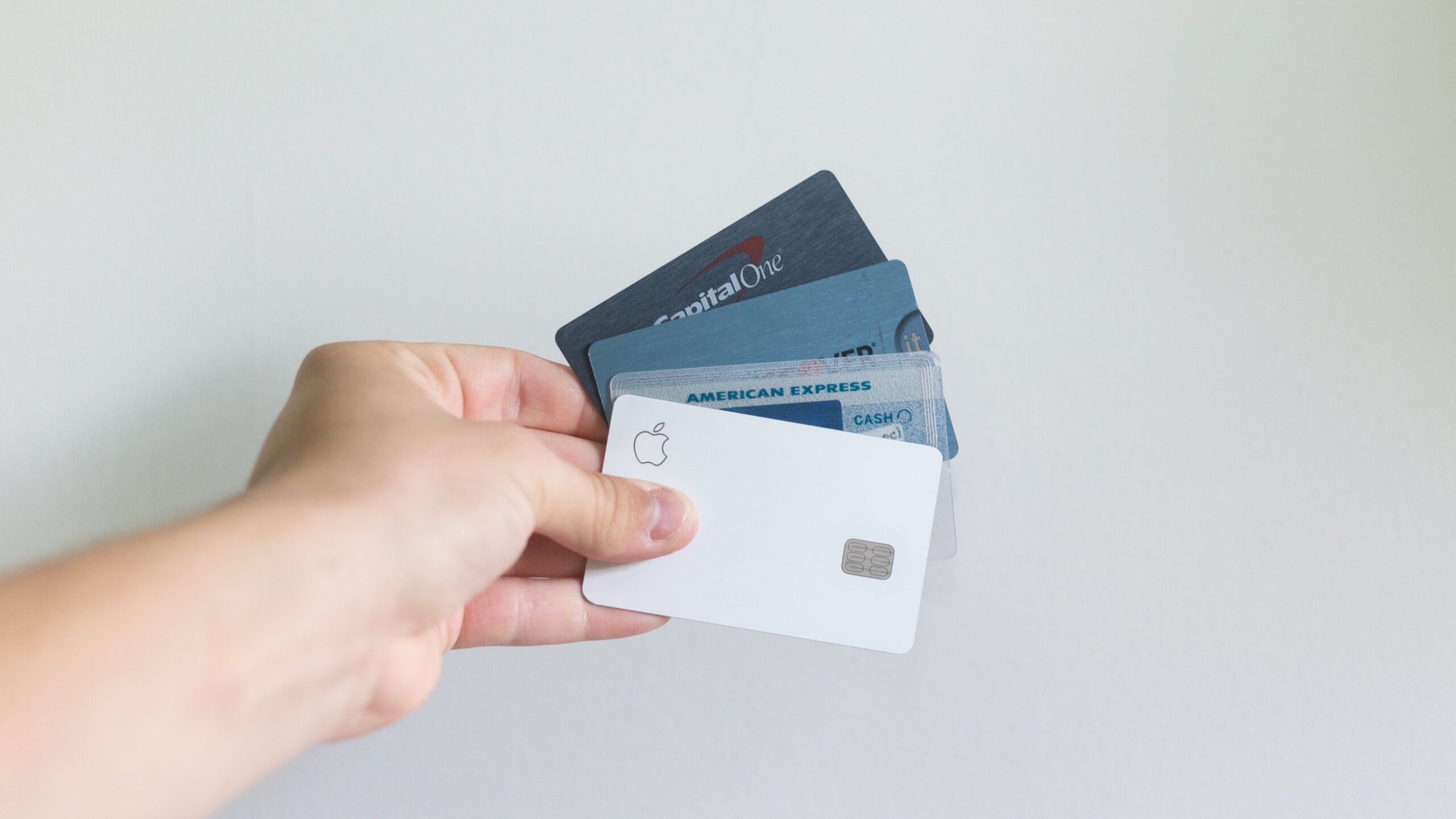
 Photo by Annie Spratt on Unsplash
Check if You’ve Been Mis-Sold Finance
You should first look through any paperwork to determine whether you might have been mis-sold finance. All lenders have a legal duty to check that each of their customers can afford any loan, credit card, or other types of financing.
The trouble is, some lenders don’t conduct due diligence on their customers. For example, some people might have exemplary credit scores, but that doesn’t mean they can afford to take out any credit if they’ve had a sudden change to their financial circumstances.
Some lenders like Safety Net Credit offer “revolving” credit lines to their customers. They might offer helpful financial services, but the downside is often how they charge high interest rates or fees for things like late payments.
If you can successfully prove that you got mis-sold finance, you might be able to claim compensation and not need to pay back the money you originally borrowed.
Find Out if You Can Reduce Your Living Expenses
When you have little to no money available to pay your debts, one thing you should always do is check whether you can reduce your living expenses. For instance, you might find yourself financially better off if you downsize to a smaller home.
You should also look at getting rid of non-essential expenses while you’re in the midst of getting out of a financial crisis. That means cancelling things like gym memberships, satellite and streaming TV subscriptions.
You might even find ways of lowering the cost of your essential expenses. For instance, you could find a cheaper provider for your gas and electricity. If you travel to work by bus or train, you could save by buying a season ticket.
Also, if you buy all your family’s groceries from one supermarket, it can make sense to buy cheaper alternatives from discount food supermarkets like Aldi and Lidl. Those are just a few examples of what you can look at to decrease your outgoings each month.
Find Out if You Can Write Off Your Debt
Debt advisers might recommend that people look at increasing their income to afford to meet their payment obligations. However, there can be many reasons why that isn’t easy to do or even possible.
Some people might be unable to work due to health reasons and are only surviving on state benefits. Others may find it hard to get a job locally or one that offers flexible working due to their location or family commitments.
It might be possible to use a government-approved scheme to write off most or all of your debt in those situations. Examples might include an IVA (Individual Voluntary Arrangement), a DRO (Debt Relief Order), or even bankruptcy in extreme cases.
Before you consider going ahead with any option, make sure you speak with a debt counsellor from an organisation like StepChange first. They will discuss your financial situation and find out which option is best for your particular needs.
Contact Your Creditors
Lastly, it makes sense to contact your creditors and explain your situation to them. Doing so helps them understand why you aren’t meeting your agreed repayments on any borrowing, and it can stop them from pursuing further action against you, such as taking you to court.
It’s a good idea to contact your creditors in writing rather than calling them. That way, you’ve got written proof of what you’ve said and when you’ve contacted them. Plus, you won’t feel pressured to agree to anything like you might in a telephone call.