Collaborative Post
You probably have a whole pile of financial paperwork. These days a lot of it is likely to be in digital form but it still needs to be protected. We all tend to keep what we do online secure, especially when it comes to our phones – find out more information about cellphone security here – but what about our physical paperwork?
Here are some tips to help.
Use receipt folders
As a rule of thumb, you want one digital receipt folder (plus a backup of it) and two physical receipt folders. The digital folder can hold all your electronic receipts, organized however you like it.
One physical folder can go with you when you shop. It holds receipts as you acquire them. That way you know where they are and you’re not going to lose them if anything happens to your purse/wallet. The other folder stays at home and holds receipts you need to keep e.g. in case of returns.
You can take photos of your physical receipts and store them in your digital folder. These may be accepted as proof of purchase if you do lose the physical receipt. That would depend on store policy. Digital copies of receipts can also be automatically entered into bookkeeping software.
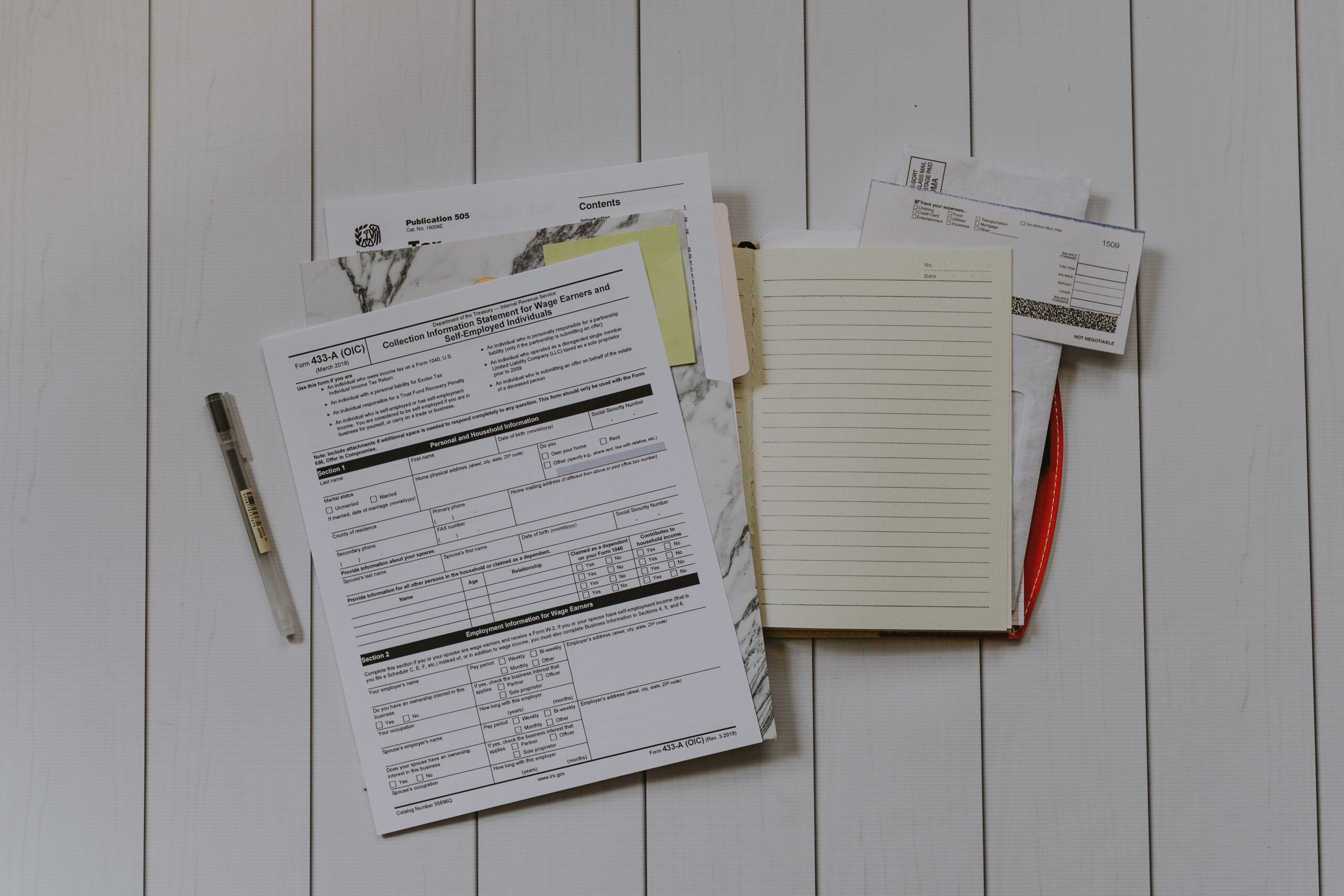 Photo by Kelly Sikkema on Unsplash
Archive your important documents properly
The safest way to store physical documents is to use proper document archive services. If you want to keep a copy of the document to hand for reference then make a duplicate. This could be a paper copy or a digital one (or both). If you really need to keep important documents on-site then you need to invest in a proper document safe.
This may seem excessive but the harsh truth is that these days you need to protect your documents against more than just physical damage. Modern criminals understand the value of personal data. That means if anyone gets unauthorized access to your personal or business documents, your identity could be at risk.
Remember, these days, criminals don’t have to steal a physical document to make use of it. They can just photograph it on their mobile phone. Even budget-level phones are generally more than capable of capturing documents quickly and accurately.
Improve your cybersecurity
No matter how good your cybersecurity is, you need to keep improving it. Cybercriminals are continually developing new attack strategies. That means you need to keep updating your security to stay ahead of them. The good news is that cybersecurity companies do a lot of the work for you, you just need to be rigorous about using the tools they produce.
At a minimum, you want all your computers and mobile devices to be protected with robust security software. If you use your devices away from your home (or place of business) then use a VPN. In fact, ideally, you should use a VPN at home (and at your place of business) too.
You also need to take password management very seriously. If you’re still recycling passwords around different accounts then it’s time to stop now. You really do need strong, unique passwords for all of your online accounts, especially your financial ones. If you struggle with this then consider using a password manager.
Use two-factor authentication as much as you can. Two-factor authentication basically means that you need to enter a one-time code along with your password. Even this isn’t unbreakable but it is a lot more robust than even the strongest passwords just on their own.