You probably already know that replacing things adds up fast. But what you might not realise is just how many everyday items you can revive with a few basic tools, a calmer mindset, and the willingness to give something a second chance before tossing it. You don’t need to be “handy.” You just need to be curious enough to try.
 Via Pexels
The Surprising List of Things You Can Repair With Basic Tools
Once you start looking closely, you’ll see that most household items fail in small, predictable ways. A chair wobbles because a screw loosened. A vacuum loses suction because the filters are clogged. A drawer sticks because the runners need cleaning. None of that requires expensive equipment, just a screwdriver, a wrench, and ten minutes of attention.
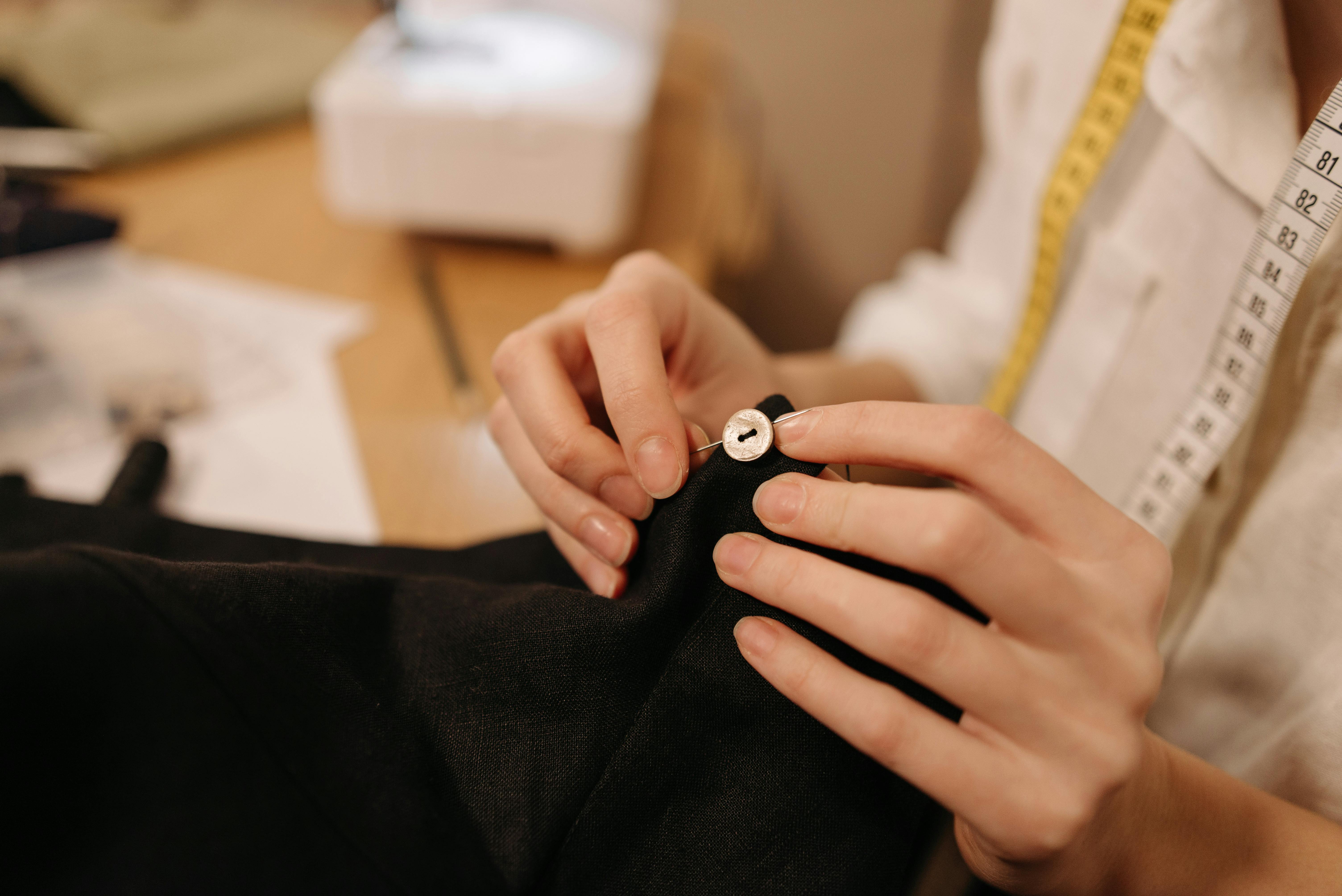
Clothing is another area where you save a surprising amount just by learning one tiny skill: sewing on a button. That single ability keeps shirts, coats, and even kids’ school uniforms in circulation instead of in a landfill. And if you’ve ever thrown out a lamp because it “stopped working,” here’s a secret: nine times out of ten, it’s a loose wire in the plug. Fixing it costs less than a cup of coffee.
When you start seeing objects as assemblies rather than mysteries, repairs feel less intimidating. You discover that most things don’t break; they loosen, clog, dull, or disconnect. And those are all fixable.
When a Simple Adhesive Solves a Pricey Problem
You’ll be amazed at how many repairs come down to sticking something back together correctly. A cracked toy, a snapped plant pot, the handle on a plastic storage box, all of these become usable again with the right adhesive. And yes, choosing the right adhesive matters. For example, when you’re dealing with broken plastic items, the best glue for plastic often turns a “throw it away” moment into a quick win you’ll feel slightly smug about.
The trick is matching the adhesive to the job: epoxy for heavy loads, super glue for small cracks, and specialised plastic formulas for items that need flexibility. You’re not hoping it holds; you’re engineering a fix that lasts.
How to Build a Small Repair Kit that Actually Saves You Money
You don’t need a workshop. You just need a shoebox with the right basics. Start with a small screwdriver set, one that includes Phillips, flat-head, and mini sizes for things like toys and battery compartments. Add a basic wrench, a utility knife, sandpaper, a few spare screws, and a roll of electrical tape.
Then add your adhesives: one all-purpose glue, one strong epoxy, and a dedicated plastic repair adhesive. Toss in a small sewing kit for quick fabric fixes and a roll of Velcro for the clever repairs you’ll only discover once you have it.
This tiny kit will quietly save you money every month. It turns you into the person who fixes the loose shelf before it collapses, who repairs the bath toy instead of buying another, and who confidently brings an appliance back to life because you understand how it’s put together.
The Mindset Shift that Makes Repairing Easier
Here’s the real secret: you repair more when you stop assuming broken means finished. If you treat each “uh-oh” moment as a puzzle instead of a purchase, you’ll find that your home lasts longer, your spending drops, and your confidence grows with every small victory.
And that mindset? It’s the thriftiest tool you’ll ever own.