Guest Post from Richard Norrington
For self builders who are looking to reduce their impact on the environment, rejuvenating land that has been left to ruin is an alternative to choosing greenfield sites. Brownfield sites provide this opportunity to self builders.
‘Brownfield’ is a term that may not have been on the radar of many self builders a few months ago. However, with the government’s new ‘build build build‘ announcements to upgrade Britain’s infrastructure, and the pledge to develop 300,000 new homes per year, brownfield sites have become more popular.
Recent research has revealed that 61 per cent of potential self builders might be interested in one of these sites. Here’s everything you need to know to make an informed decision for your own build?
What is a brownfield site?
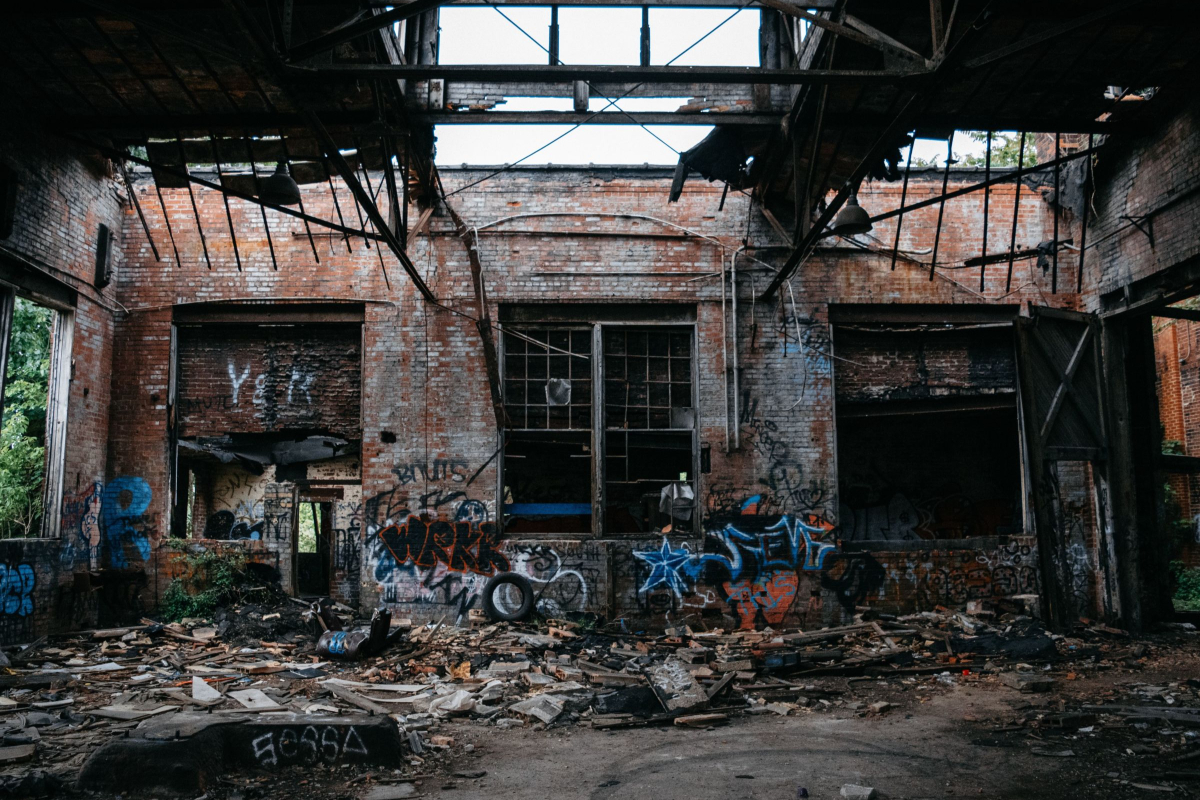
A brownfield site is a plot of land that has been previously developed for a range of purposes, including industrial, commercial, or agricultural uses. Some of the most common examples of brownfield plots include abandoned storage units, derelict warehouses, or even disused petrol stations. In most circumstances, brownfield sites don’t include barn conversions, garden plots, or replacement dwellings.
For many, this land may be unappealing on the first inspection due to potential existing structures. However, for those who can see past the existing land brownfield sites provide an exciting opportunity and wealth potential to create their dream home.
So what’s a brownfield register?
As of 2017, local authorities throughout the UK were legally obliged to keep a register of all brownfield sites that are suitable for residential development. While at present these registers are not widely promoted, these registers can provide a plethora of opportunities for self builders. Ultimately, it depends on how much effort each local authority has put into maintaining the register.
To be included on the list, a site must meet certain criteria including being free from any ownership or legal issues and being capable of delivering at least five additional dwellings.
What are the benefits of building on brownfield sites?
The government understands that local authorities must tread a fine line between building more new houses, while protecting our limited green spaces. With towns and cities across the country growing rapidly into the surrounding areas, there has become a greater need to redevelop existing plots. This is the main benefit of choosing a brownfield site. As the sites already exist, there is no additional damage to the countryside and in fact, it makes great practical sense to regenerate previously used land.
Furthermore, the fact that many of these sites have been derelict for a number of years, becoming an eye-sore on the surrounding countryside, the redevelopment of this land improves the wider area. As a result, rejuvenating the existing buidlings or land provides a great ‘social good’.
From a financial standpoint, plots on brownfield sites can often work out better value for money on a square metre for square metre basis. As a result, self builders can end up with a bigger site, or property, than they might be able to afford elsewhere. Additionally, planning permission regulations have been relaxed in recent months, meaning getting the project approved may be much easier than first expected.
What mortgage considerations must self builders consider?
During the planning of a brownfield renovation, it’s important to ensure the budget for the project is based on a self build mortgage, not a standard residential mortgage. It’s common for the lender to still require the borrower to take out a self build mortgage, no matter if it is a complete rebuild project or not.
Borrowers will soon learn that some lenders may also be reluctant to lend on brownfield sites, meaning it is useful to seek the advice of an expert intermediary. While comparing mortgage providers, it’s more likely that a borrower will be accepted by a provider who carries manual lending, meaning individual circumstances can be taken into consideration in each application.
Initially, brownfields sites aren’t something that many self builders would usually consider. However, after some careful planning and consideration, it will become obvious that a brownfield site can provide a number of benefits, both from a financial and construction standpoint.
Richard Norrington is CEO of Ipswich Building Society.
Ipswich Building Society offers self build mortgages and operates a manual underwriting approach, so applications are reviewed by an individual, not a computer.